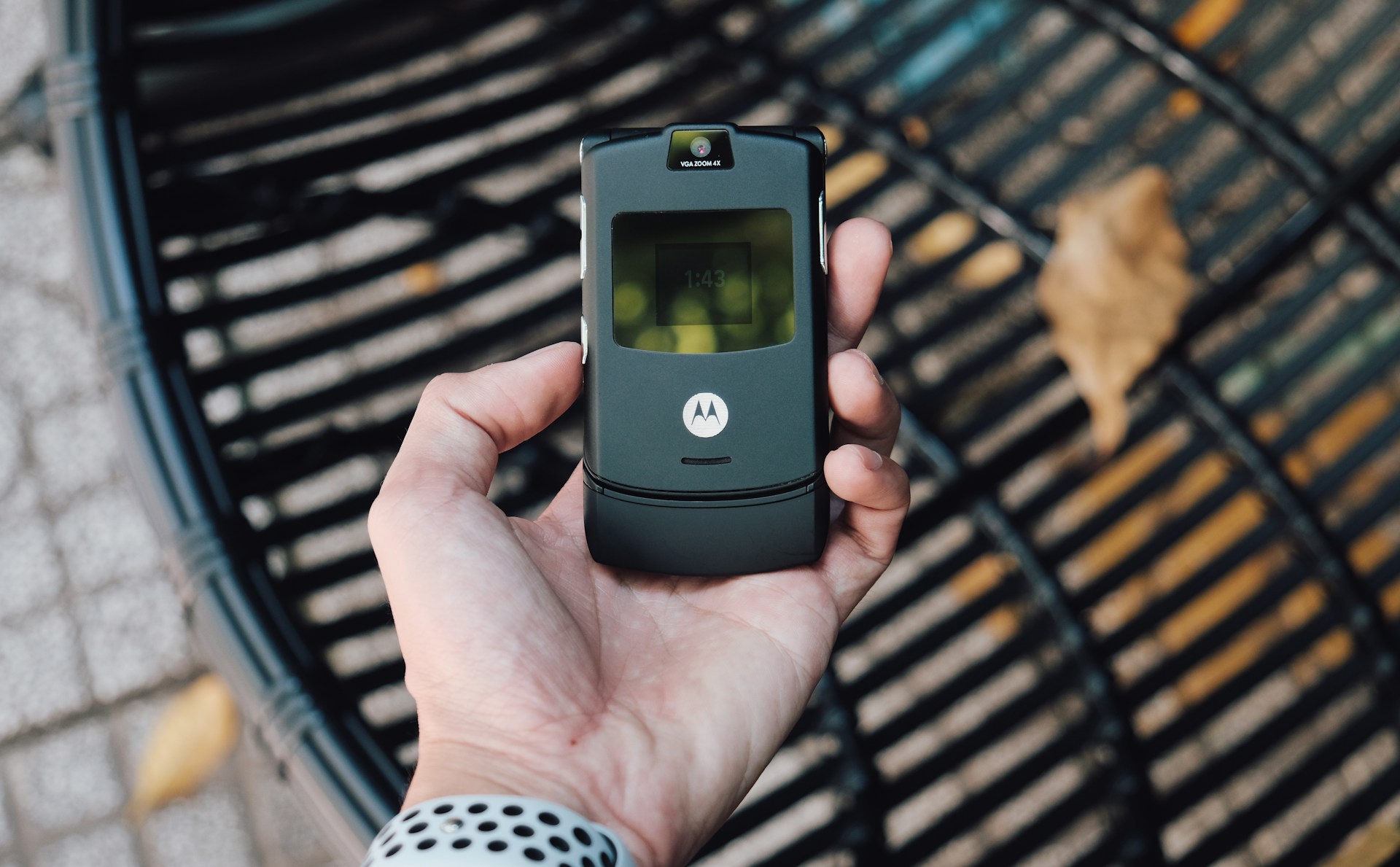
Motorola left tech enthusiasts wanting more after teasing its very first book-style foldable device at the Consumer Electronics Show in Las Vegas earlier this January. The company kept entirely quiet on crucial details like battery capacity and pricing during the initial announcement. We are finally going to get the full picture next week. Motorola has officially confirmed that they will take the wraps off the Razr Fold completely on March 2, 2026, during the Mobile World Congress in Barcelona. With this ambitious new release, Motorola is taking the fight directly to industry heavyweights like Samsung’s Galaxy Z Fold 7 and Google’s Pixel 10 Pro Fold. Interestingly, the Razr Fold differentiates itself by bringing stylus support to the table. The company has introduced the Moto Pen Ultra just for this device. You will not be able to slot this stylus directly into the phone’s chassis, though, unlike the integrated design seen on Samsung’s Galaxy S26 Ultra.
Flagship Power and Camera Upgrades We already have a solid grasp on what is running under the hood. The Razr Fold will be powered by the Snapdragon 8 Gen 5 chipset. This is the standard version of the processor rather than the Elite variant, which pushes performance metrics even higher. You are getting a 6.6-inch cover display on the outside and a massive 8.1-inch foldable LTPO AMOLED panel when you open the device. The camera hardware looks equally aggressive. Motorola has packed the back with a 50-megapixel LYTIA 828 main sensor featuring optical image stabilization, a 50-megapixel ultrawide lens with macro capabilities, and a 50-megapixel periscope telephoto lens using the LYTIA 600 sensor that offers a 3x optical zoom. Selfies are handled by a 32-megapixel shooter on the outer screen and a 20-megapixel camera nested inside. Pricing is often the deciding factor for foldables. The rumor mill currently suggests an incredibly attractive price tag of roughly $1500. This would massively undercut both the Galaxy Z Fold 7 and the Pixel 10 Pro Fold in the US market. Fans are certainly hoping this device makes its way to more regions like Switzerland, where the market currently only features official foldable releases from Samsung and Google. A little extra competition would be a welcome change.
A Glimpse into the Budget Past To truly appreciate how far Motorola has shifted its strategy towards the premium market today, we just need to rewind a few years to see where they used to aggressively compete. Going back to May 2022, Motorola dropped the Moto G22, a textbook budget offering. Comparing it to a slightly older rival like the Nokia 5.3, which launched in March 2020 at a very accessible $200 price point, perfectly illustrates the classic budget smartphone blueprint. Both of these older phones rocked entirely plastic backs and frames. They weighed exactly 185 grams and measured basically the same, sitting at roughly 6.5 by 3 inches.
Displays and Processing Power The screen technology on those earlier devices was understandably modest. Both the Nokia 5.3 and the Moto G22 featured 6.5-inch IPS LCD panels pushing a basic 1600×720 resolution at a 20:9 aspect ratio. The Moto G22 did manage to squeeze in a 90Hz refresh rate, giving it a slight edge in interface smoothness over the older Nokia device, which relied on standard Corning Gorilla Glass 3 for its screen protection. The processing setups were quite different. Nokia went with Qualcomm’s 11nm Snapdragon 665 octa-core chip, pairing it with up to 6GB of RAM and 64GB of storage. Motorola opted for the 12nm Mediatek Helio G37 processor. The G22 offered 4GB of RAM and storage options going up to 128GB, which could be expanded via microSD all the way up to a massive 1TB, beating Nokia’s 512GB expansion limit.
Battery Life and Optics Battery capacity was always a major selling point in this price bracket. The Moto G22 housed a hefty 5000 mAh battery that could handle over 17 hours of continuous web browsing. The Nokia 5.3 packed a smaller 4000 mAh unit but managed to include 15W wired fast charging. On the imaging front, both smartphones featured quad-camera arrays on the rear. Nokia utilized a 13-megapixel main shooter with phase detection autofocus and an f/1.8 aperture. Motorola bumped the primary sensor all the way up to 50 megapixels. The rest of their camera modules were fairly standard for the era, utilizing basic ultrawide, macro, and depth sensors. They both delivered the essential features we expected back then, including side-mounted fingerprint scanners, standard 3.5mm headphone jacks, NFC support, and FM radios.