The Size Dilemma and the iPhone 13 Benchmark
Apple’s generational upgrades have always managed to create a massive buzz, bringing along a barrage of reviews and detailed comparisons to help buyers make an informed choice. Back when the iPhone 13 lineup hit the market, we had plenty of ground to cover regarding how those devices stacked up against competing smartphones. Size remains a crucial metric for a lot of mobile users today, and the sheer variety on the market can make picking your daily driver quite tricky. While some buyers prioritize a compact device that fits snugly into their jeans pocket, others firmly believe that bigger is better when it comes to screen real estate. We always aim to provide the right context for these purchasing decisions by putting handsets side by side.
Comparing Dimensions Across Generations
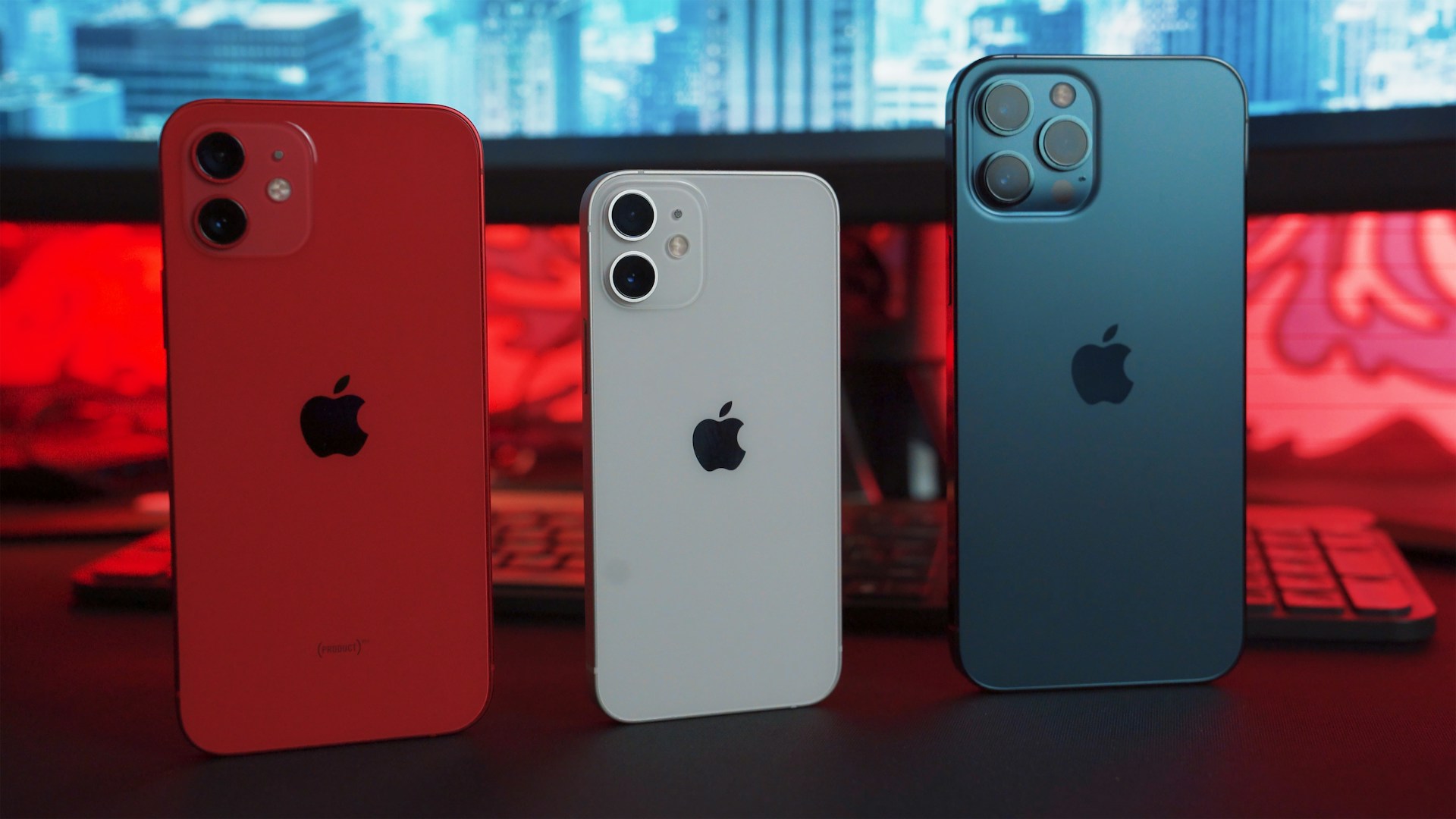
Following the design language set by its predecessors, the base iPhone 13 and the 13 Pro maintained the exact same dimensions as the previous year. The iPhone 13 Pro Max, however, pushed the boundaries, coming across almost like a phablet. Fitting that hefty device into a regular trouser pocket is definitely a tall order for anyone. On the flip side, the iPhone 13 mini lived up to its moniker, slipping effortlessly into practically any pocket. If lugging around oversized bags isn’t your cup of tea and you value a compact form factor over sheer display size, the miniature variant was easily the smarter pick.
A Retrospective Glance at Apple’s Footprint
Interestingly, Apple retained the exact physical footprint of the iPhone 12 series for the 13 lineup. Whether you look at the mini, the base variants, or the Pro Max models, the physical dimensions remained completely identical. Folks upgrading from much older generations, however, noticed a stark difference. The iPhone 13 grew significantly compared to older iterations. Even though it boasted a much larger footprint than the iPhone XS, it surprisingly weighed a few grams lighter. It goes without saying that the usable screen area witnessed a massive bump since 2017. But not everyone wants to splurge on the absolute top-tier flagships year after year, which brings us to Apple’s latest strategy for the masses.
Enter the iPhone 17e: Decoding the Moniker
Fast forward to the present, and we have the newly launched iPhone 17e. People often assume the “e” stands for an “entry-level” model. While that logic seems perfectly sound, it simply isn’t the case. Apple has reportedly stated that the letter doesn’t officially stand for anything, but inside whispers suggest it actually implies “everyone”. The core idea is to offer a slightly stripped-down device that remains accessible to a broader audience. Having said that, one can certainly debate whether the 709 Euro price tag genuinely makes this handset affordable for the average buyer. I took the iPhone 17e for a spin to figure out if it currently stands as the best value-for-money proposition to get a reliable iPhone experience.
Throwing It Back to the iPhone 5 Era
Right out of the box, the black variant of the iPhone 17e immediately gave me strong iPhone 5 vibes. It heavily reminds me of the exact same black iPhone 5 I used to carry around some thirteen years ago. The resemblance between the two devices is genuinely striking. Sporting a completely flat frame, uncompromisingly sharp edges where it meets the display, and a sleek matte black finish, the 17e completely embraces that classic aesthetic.
Minimalist Optics and a Sturdy Build
This highly minimalist design language is precisely what makes the iPhone 17e look so appealing right now. The single camera lens sitting on the back panel adds to this understated charm. It ensures the rear isn’t cluttered at all, giving the smartphone a very focused and lightweight appeal. Apple has gone on record multiple times highlighting the longevity of this device, and the in-hand feel definitely backs up those claims. It feels exceptionally robust. The front glass protection has seen a solid upgrade as well, with the 17e rocking the new Ceramic Shield 2.
Under the Hood: The Hardware Breakdown
For the tech enthusiasts out there, the iPhone 17e packs a serious punch despite its minimalist exterior. Here is a quick look at the optics and internal hardware powering the device:
-
Form Factor & Display: The device measures 146.7 x 71.5 x 7.8 mm and weighs a comfortable 169 grams. It features a crisp 6.1-inch OLED display pushing a 60Hz refresh rate, HDR support, and a peak brightness of up to 1,200 nits (HBM) with a pixel density of 457 ppi.
-
Performance & Storage: The brains of the operation is the 3-nanometer Apple A19 silicon. This is paired with 8GB of RAM and NVMe storage options of either 256GB or 512GB.
-
Optics: On the camera front, you get a solid 48-megapixel primary shooter (f/1.6) with OIS capable of recording 4K video at 60fps, alongside a reliable 12-megapixel selfie camera.
-
Battery & Connectivity: Powering all of this is a 4,005 mAh battery that supports up to 15W wireless charging via MagSafe and the newer Qi2 standard. Running on iOS 26.3, it covers all modern connectivity bases including 5G, Wi-Fi 6, Bluetooth 5.3, Satellite SOS, a USB-C port, and an IP68 rating for water and dust resistance. You can pick it up in Black, White, or Soft Pink.