The global smartphone market continues to be a theatre of intense competition and rapid technological evolution. A few years prior, Huawei had ascended to the very pinnacle of the industry, surpassing heavyweights like Samsung and Apple in shipment numbers. The Chinese technology giant was poised to challenge the United States market before trade bans precipitated a significant decline. However, the narrative in 2025 is not one of defeat, but of adaptation. Whilst Google Mobile Services remain inaccessible on Huawei devices, the company is aggressively pushing its proprietary Harmony OS alongside the Huawei AppGallery. We have tested the latest offerings and, solely on the hardware front, they remain formidable contenders.
The Pura Series and Hardware Mastery
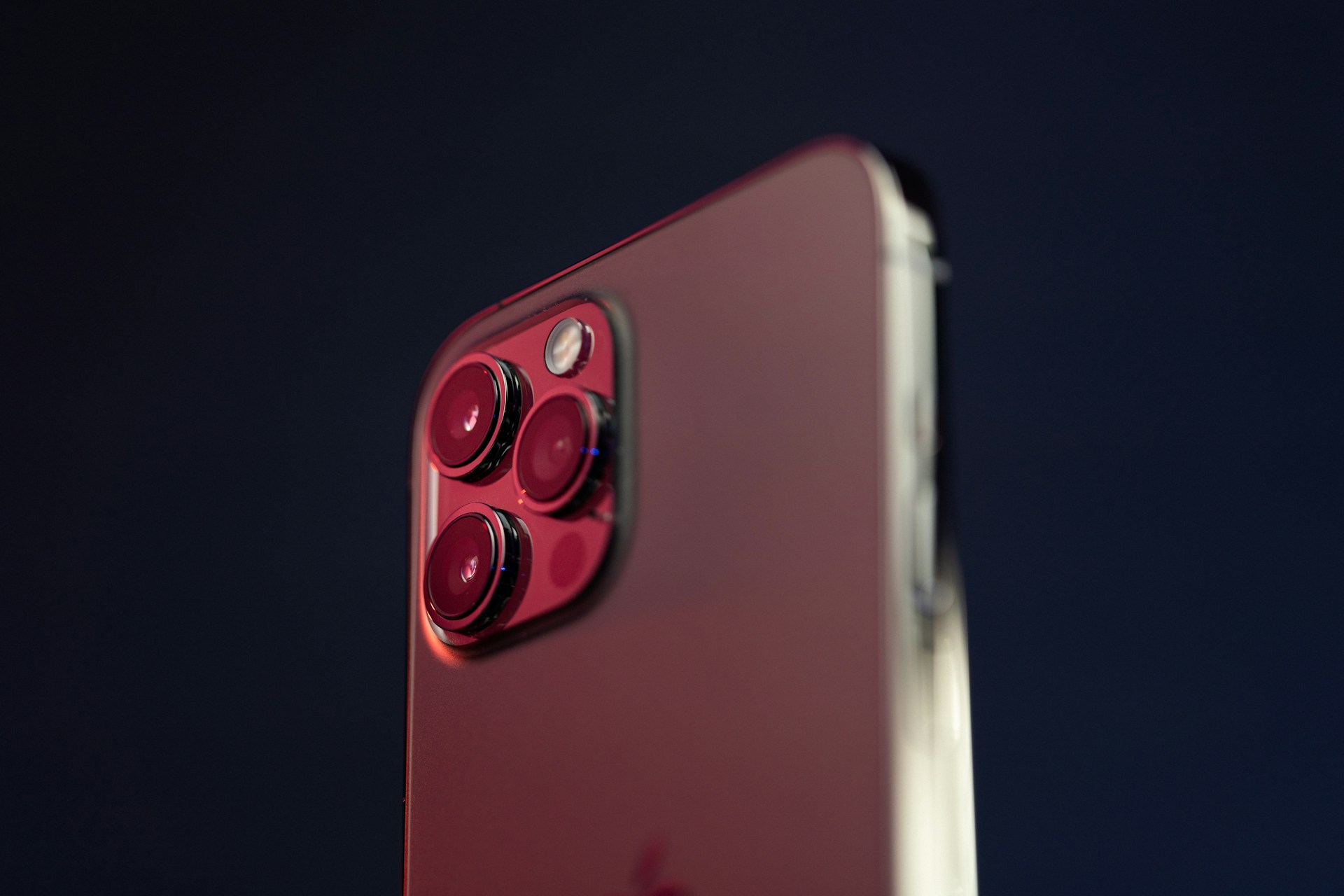
For enthusiasts willing to look past the software limitations, the 2025 lineup offers substantial quality. Leading the charge is the Huawei Pura 80 Ultra, a device that has been lauded as a “new camera king.” The latest entrant in the Pura series picks up where its predecessor left off, introducing a one-inch sensor beneath the main lens. More intriguingly, it features a large sensor capable of physically shifting under two telephoto lenses—technically achieved via a moving prism—to provide two distinct zoom levels on a single sensor.
Despite the brilliance of the display and battery longevity, the device demands a leap of faith. With a starting price of 1,200 Euros, it is a significant investment for a phone running the in-house Kirin 9020 (7 nm) chipset. While this processor might appear dated on paper compared to western rivals, the user interface optimization renders the experience fluid. The Pura 70 Ultra also remains relevant, marking the symbolic shift from the “P” series to “Pura,” though it houses a slightly older chipset. Meanwhile, the Mate 60 Pro and Pro Plus continue to push boundaries with satellite connectivity and variable aperture cameras, though their availability remains largely restricted to the Chinese mainland.
The Evolution of the Foldable Segment
Huawei’s influence extends into the foldable category with the Mate X6, which boasts Kunlun glass, an exceptionally thin profile, and a creaseless bright screen. This dedication to the foldable form factor appears to be setting a trend that other legacy manufacturers are keen to explore further.
Shifting the focus to future developments, recent reports suggest that Motorola is preparing to unveil a significant surprise at the Consumer Electronics Show (CES) 2026, scheduled to commence on January 6. Historically, Motorola’s foldable strategy has been defined by the flip-style “Razr” series. However, industry speculation posits that the company is ready to introduce a smartphone that opens like a book, directly challenging the design language of the Samsung Galaxy Z Fold series.
Motorola’s Teased Innovations for CES 2026
The speculation regarding Motorola’s pivot to a book-style foldable stems from unique invitations dispatched for the upcoming tech event. According to reports from Android Central, the invite included a distinct wooden lamp that can be folded and unfolded, secured by a magnetic clasp. Upon opening, the lamp emits a soft light, a mechanism that observers believe is a subtle hint at the company’s new direction. The invitation text alludes to Motorola being ready to “unfold” a new perspective at Lenovo Tech World during CES.
There is also chatter that this upcoming device might feature a wooden finish, mirroring the aesthetic of the invitation. This would be a significant step up for Motorola, moving beyond the flip mechanism to offer a larger screen real estate suited for productivity, much like a digital book.
Market Growth and Regional Performance
This aggressive push into high-end form factors correlates with Motorola’s strengthening position in key markets like India. Recent data from the International Data Corporation (IDC) highlights that the company has witnessed a robust surge in its Indian market share, registering a growth of over 50 per cent. With a diverse portfolio ranging from the budget-friendly G and M series to the premium Razr handsets, and pricing spanning from ₹10,000 to over ₹1 lakh, Motorola has firmly established itself among Indian consumers. As 2026 approaches, the potential addition of a book-style foldable could further bolster their standing in the premium segment.