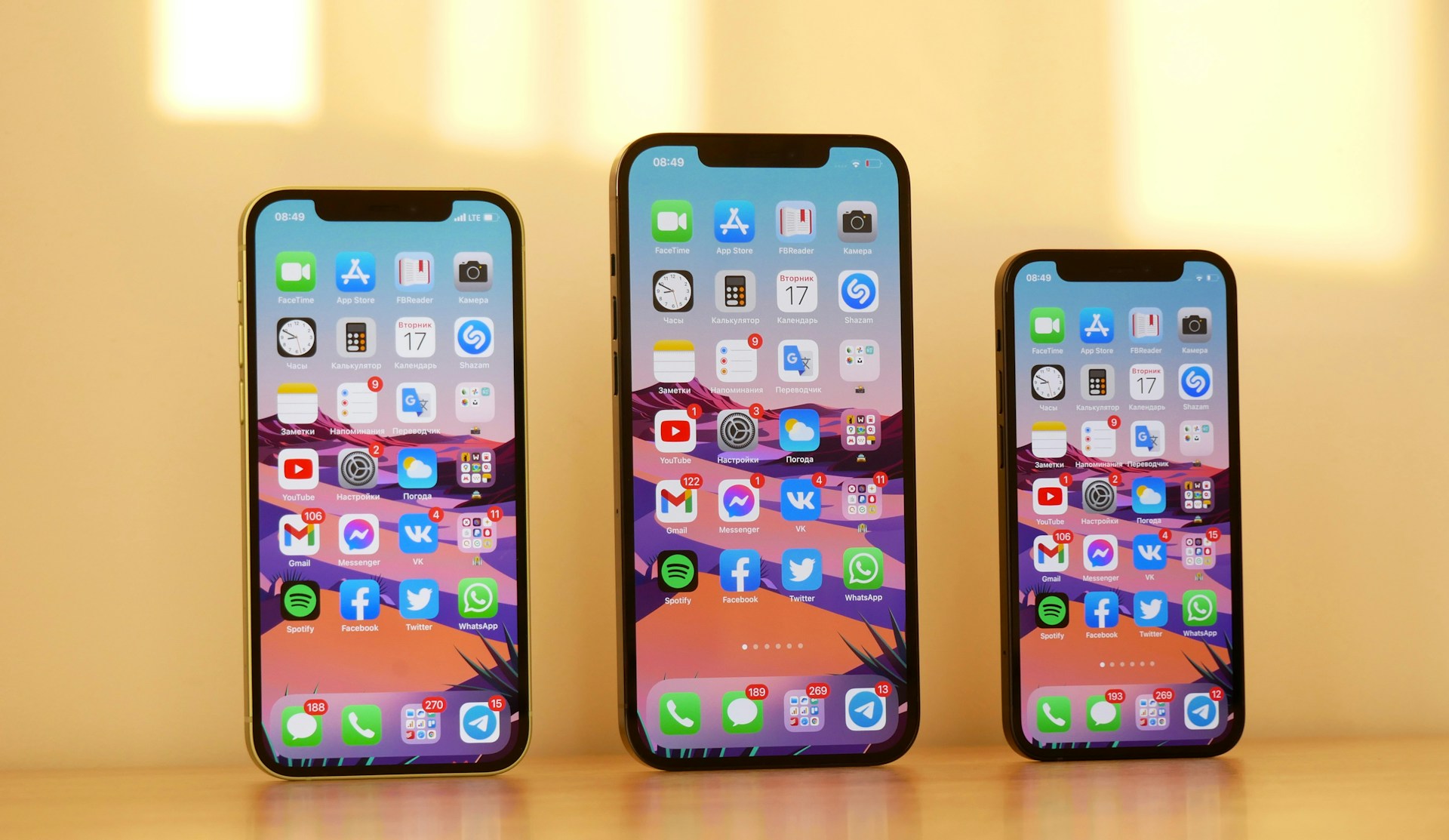
Apple is seemingly sticking to the iPhone Plus formula for yet another year, which is why we are seeing the iPhone 16 Plus model in the current portfolio. The most logical query that arises is how the new handset stacks up against its predecessor.
These two models are very similar, as one might expect, and we’ll be exploring the bifurcation of their features below. At first glance, the upgradation on the newer model includes more RAM, Apple Intelligence support, 25W MagSafe, and hardware raytracing for your gaming needs.
Design and Display Upgradations
iOS 26 is already live now, and you can check out all the software tweaks in the performance section. On the hardware front, the materials used are virtually identical. We get the exact same glass-aluminum sandwich that we’ve been seeing for the last couple of iPhone generations. However, on the back panel, things look quite different. The iPhone 15 Plus features the traditional square-ish camera module with diagonally positioned lenses. The new iPhone 16 Plus, on the other hand, shifts to a vertical design that bears a striking resemblance to the old iPhone X, just with much beefier cameras housed in a vertical pill-shaped bump.
The button layout has also been reworked. The 16 Plus brings an Action Button and a brand-new capacitive Camera Control button to the table, whereas the older model is only making do with the standard mute switch, apart from the regular power and volume keys.
Coming to the screen, if we want to take the short route here, we’d say there aren’t any real upgrades. Both handsets sport the exact same 6.7-inch display with the Dynamic Island cutout. It is essentially a 6.69-inch LTPS OLED panel with a 60Hz refresh rate—which is frankly a bit of a damp squib in 2024—and a resolution of 2796 x 1290 pixels. Apple claims the brightness numbers have been tweaked, giving the Plus model the same 2000 nits peak and 1 nit minimum brightness as their Pro lineup. Our own testing shows Apple did manage to drop the minimum brightness to 1 nit, but on the higher side of the spectrum, it’s a letdown. The iPhone 15 Plus actually scored 1,090 nits of real-world brightness, while the new model managed only 1,038 nits, which is objectively worse. For all intents and purposes, you can treat these as identical panels; the minor delta is likely just a fluctuation in the measuring process.
The Silicon Under the Hood
The iPhone 16 Plus is packing the new A18 chipset, fabricated on the 3nm node, which brings better power efficiency to the device. According to Apple, it is 20% more efficient than the previous A17. They’ve also clubbed it with slightly more onboard RAM to handle the heavy lifting required by on-device AI—or Apple Intelligence, as the company is calling it, basically hijacking the AI abbreviation.
That being said, the iPhone 15 Plus is no slouch. The older A16 chip combined with 6GB of RAM will do just fine for your daily driver activities. Apple’s backend optimization for iOS ensures a smooth user experience regardless of the hardware involved. If raw power and synthetic benchmark scores are what you are after, there is no rivalry here; the iPhone 16 Plus wins hands down. You just won’t notice that much of a practical difference while doing your basic day-to-day tasks.
The Bigger Picture: A Major Lineup Shift
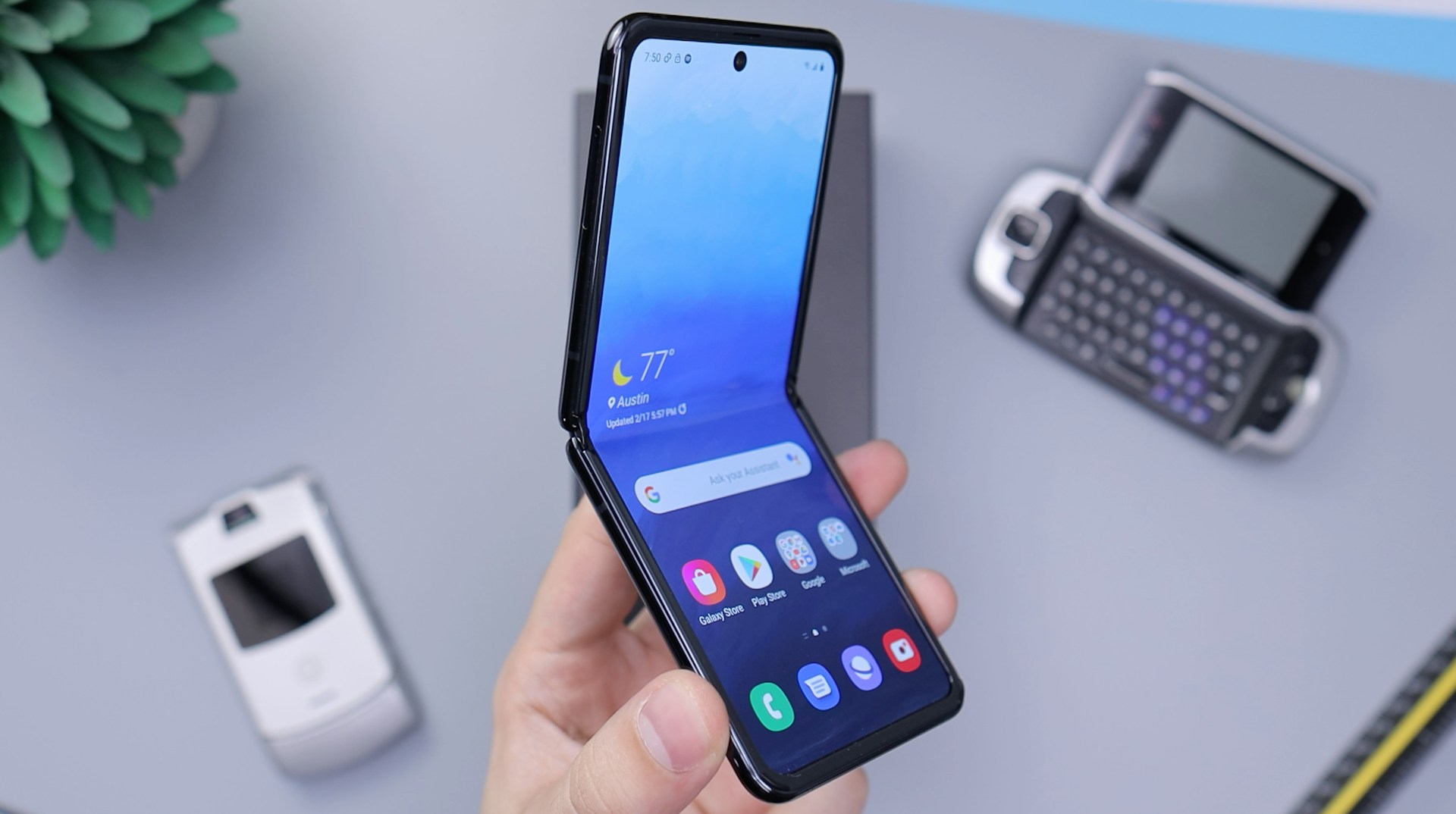
Now, looking at these baby steps for the iPhone 16 Plus, you might be wondering why Apple isn’t pushing the envelope further. The reality is that Apple is completely restructuring its lineup strategy this year to accommodate a massive release: their first-ever foldable iPhone.
According to supply chain sources out of South Korea and Taiwan who interacted with the trade publication The Elec, mass production for the foldable is slated to kick off by the end of July. Foxconn is doing the needful for the initial manufacturing, having already completed the pilot production runs back in April. The core components are fully specified and locked in. Samsung Display has gotten the green signal to supply the foldable OLED panels straight from their Vietnam facility. Meanwhile, the hinge mechanisms are being sourced from two major vendors: Taiwan’s Shin Zu Shing and the US-based Amphenol, both of whom are utilizing 3D-printed hinge constructions.
There were some hiccups during the R&D phase. During endurance testing of several million cycles, a Taiwanese industry insider noted that the hinges were producing slight noises, and tolerance issues across various manufacturing steps were causing higher rejection rates. However, the bulk of these production headaches have since been sorted out. Earlier, there were speculations that Apple might postpone the device past the September event, but it seems they have recovered ground.
This foldable device is internally being dubbed the ‘Ultra’, and its introduction is causing a massive shift in Apple’s release cycle. The word on the street is that the big Fall event will exclusively focus on the premium tier: the iPhone Pro, the Pro Max, and this new Foldable. The standard models, including the regular iPhones and the Plus models, might get shifted entirely to a separate release cycle in the Spring of next year. This would be a massive departure from their traditional format of clubbing all the new models together in the autumn launch window.
Naturally, Apple isn’t putting out any official statements regarding this, which perfectly aligns with their secretive corporate communication policy. But when you have this many vendors managing the production at the backend, supply chain leaks of this magnitude are practically unavoidable.